Painting Contractor Carlsbad, CA
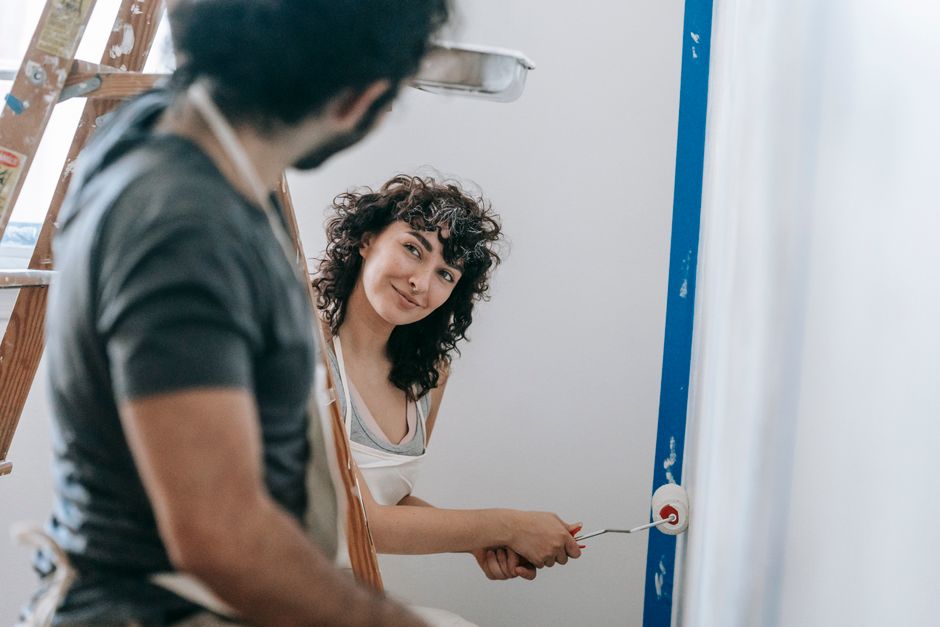
A Carlsbad, CA field guide to painting work: surface prep on stucco and wood trim, how marine layer mornings affect cure times, and the questions worth asking before any brush touches a wall.
What We Cover
- Ceiling Painting and Popcorn Texture in Older Carlsbad Homes How ceilings with spray texture are prepped, primed and painted in Carlsbad houses built in the 1960s and 1970s.
- Choosing Sheen and Color in Coastal Light How marine fog and bright coastal sun change the way color and sheen read on interior walls.
- Drywall Repair Before Interior Paint Which wall and ceiling defects get fixed before paint goes on, and how patches are blended into existing texture.
- HOA Color Rules in La Costa and Bressi Ranch What homeowners in master-planned Carlsbad communities should expect from architectural review before painting.
- Living in the House During a Paint Job How a painting crew sequences rooms, dust control and fumes so a family can stay home while the work goes on.
- Painting Kitchen Cabinets in Place The steps for refinishing cabinet boxes and doors on site, from degreasing to cure time.
Painting Contractor Carlsbad, CA
Interior and exterior house painting in Carlsbad, CA starts with the surface, not the color. A crew walks each room, taps the walls, checks ceilings for stains and looks at the trim for loose caulk before a single can is opened. Homes here range from 1950s cottages and bungalows in the northwest, through 1960s ranch houses, to newer master-planned neighborhoods in La Costa, Bressi Ranch and Aviara, and each era wants a different approach.
Interior work from the crew side
Most of the hours on an interior job go into drywall repair, patching, sanding and priming. Ceilings with spray texture soak up paint, cabinets need degreasing before anything sticks, and walls near the coast pick up cool light under summer fog. Rooms are done one at a time so a family can stay in the house, with plastic over doorways and a vacuum on the sander.
Exterior work and the weather
Carlsbad sees about 263 sunny days a year, with most of the rain packed into winter. That leaves a long dry window for stucco and trim, though morning marine fog can hold a topcoat back until the surface dries. Salt air near Carlsbad State Beach and the lagoons, Agua Hedionda and Batiquitos, also wears on trim faster than it does inland along El Camino Real.
Master-planned communities
Painting in La Costa and Bressi Ranch usually involves an architectural review. The association wants a palette, a sheen and a list of surfaces before work starts, so scheduling follows the approval. Interior painting needs no such vote and can go first.
Guides
The pages here cover ceiling texture, drywall repair, cabinet refinishing, color and sheen in coastal light, HOA color rules and living in a house during a paint job. Each one describes how the work is done in Carlsbad homes, step by step.
Latest Guides

Baseboards, Doors and Trim: How Crews Get Clean Lines
2026-10-06
Baseboards, door casings and window trim take up a small share of the wall area in a room and a large share of the labor. A flat wall can be rolled in an hour. The trim around the same room can take a full day, because every edge has to be filled, sanded, caulked and cut straight, and the finish has to be hard enough to survive a vacuum cleaner and a kicked shoe. Crews in Carlsbad see the same sequence on nearly every job, and the order of the steps matters more than the brand of the paint.
Why trim fails before the walls do
Trim lives at foot level and hand level. Baseboards take scuffs from shoes and mops, door edges take fingerprints and hand oils, and window sills take condensation. On the coast, summer marine fog puts moisture on sills and sashes most mornings, and a soft paint film there can stay tacky and pick up dirt. A trim finish is therefore a harder, glossier film than the one on the wall, usually satin or semi gloss, and it needs more preparation to stick.
Older houses add their own problems. In the 1950s cottages near Olde Carlsbad, trim is often solid wood with ten or more layers of paint, and the edges of the casing have rounded off under the build-up. The 1960s ranch homes commonly have flat pine baseboards with nail holes that were filled and repainted several times. Newer houses in La Costa and Aviara usually have finger-jointed or MDF trim, which drinks paint at the cut ends and swells if water gets in.
The order of work on one room
Crews follow a set order so the dust and drips of one step never land on the finish of another. The table below lays out the sequence for a room with walls and trim both being painted.
| Step | What happens | Why it comes here |
|---|---|---|
| 1. Fill and patch | Nail holes, dents and gaps in joints get spackle or wood filler | Filler needs time to cure before sanding |
| 2. Sand | Trim is scuff sanded with fine paper, filled spots are sanded flush | Dust is made now, before anything wet goes on |
| 3. Wipe and vacuum | Dust is vacuumed, then wiped with a damp cloth | Paint over dust leaves a gritty film |
| 4. Caulk | Paintable acrylic caulk goes in gaps between trim and wall, and between joints in the casing | Caulk needs a few hours to skin before paint |
| 5. Prime | Bare wood, filler and stains get primer | Bare spots flash through the topcoat otherwise |
| 6. Ceiling | Ceiling is painted first | Drips fall down onto surfaces not yet finished |
| 7. Trim | Two coats on baseboards, casings and doors | Hard finish cures while the walls wait |
| 8. Walls | Walls are cut in and rolled | Wall paint can overlap trim slightly and be cleaned off |
Some painters reverse steps 7 and 8 and do the walls first, then cut the trim last for the cleanest line. Both orders work. What does not work is painting the trim before the caulk has skinned, or sanding after the first coat of finish has gone on.
Filler, caulk and the difference between them
Filler and caulk are not interchangeable. Filler is hard and sandable, and it belongs in holes and dents. Caulk stays flexible, and it belongs in joints that move: the line where a baseboard meets the wall, the seam where two lengths of casing meet at a corner, and the gap between a window casing and the plaster. A hairline crack along the top of a baseboard is caulk work. A nail hole in the middle of a board is filler work.
Caulk choice matters near the water. A paintable acrylic latex caulk with silicone additives holds up in humid rooms, while a pure silicone caulk cannot be painted at all, and paint will bead and crawl off it. If the previous painter used silicone around a bathroom window, that line gets cut out with a razor blade and replaced.
A bead of caulk is smoothed with a wet fingertip, not a tool, and wiped back so only a thin line remains. A thick bead cracks within a season, and the crack shows through the paint like a pencil mark.
Sanding and priming old paint
Gloss paint does not accept new paint without a scuff. A light pass with 180 or 220 grit paper dulls the surface so the primer can bite. On old oil based enamel, a deglosser or a bonding primer saves the sanding on carved or detailed profiles where paper cannot reach. Raised grain, drips and brush marks left by the last painter get sanded flat, and a hand block works better than a power sander on edges, which rounds them off.
Wood with a stain or tannin bleed, like old redwood or cedar trim, needs a stain-blocking primer. A water based primer on those boards lets a yellow-brown tint come through the topcoat in a few days. Where the old finish is flaking, it is scraped back to a sound edge and the step feathered with sandpaper so it does not show as a ridge.
Cutting a clean line
A clean line between trim and wall comes from a good angled brush, a steady hand and a loaded brush that is not overloaded. A two inch angled sash brush with a stiff, tapered bristle is the standard. The brush is dipped a third of the way, tapped, and pulled along the edge with light pressure so the bristles fan out and form the line.
Tape helps when the colors are far apart, such as a dark wall against white trim. Tape is pressed down with a putty knife, and caulk or a thin coat of the wall color is brushed along its edge first to seal it, so any bleed is the same color as the surface. Tape comes off while the paint is still slightly soft. Waiting until the film has hardened risks pulling a strip of paint off with it.
Doors: brushing, rolling or spraying
Doors are the largest trim item in a house. A panel door is painted in order: the panels first, then the horizontal rails, then the vertical stiles, and the whole door is tipped off with a light stroke in the direction of the grain. A flat slab door can be rolled with a fine foam roller and brushed at the edges. In an empty house, doors are often taken off and sprayed, which gives a factory finish with no brush marks.
The latch edge and the top and bottom edges are easy to miss. Bare wood on the bottom of an exterior door lets moisture in, which is a particular problem near the coast, and the top edge of an interior door gets painted even though nobody sees it. Hinges are masked or removed, never painted shut.
Curing is longer than drying
Trim paint feels dry to the touch within hours, but the film takes days to harden and weeks to reach full strength. During that time doors stick in their frames, because the paint on the edge is still soft and bonds to the paint on the jamb. A door left open for the first day or two, then closed gently, avoids that. Baseboards hold a vacuum head or a mop safely after a few days, and furniture goes back against fresh trim only when the surface is firm.
Humidity slows the cure. In summer fog, morning air along the coast carries moisture into rooms, and trim painted at night can stay soft well into the next day. Painting trim in the early afternoon lets the first coat skin over before evening, and a second coat the next afternoon goes on a firm base.
Trim takes more steps than walls, and every one of them is a place where a shortcut shows up later as a crack, a stuck door or a ragged edge.

Getting a Carlsbad House Ready for Interior Painters
2026-10-06
The first morning of an interior paint job decides how the rest of the week goes. If the rooms are clear, the floors are covered and the walls have been looked over, the crew starts sanding by eight. If furniture is still against the walls and the closet is full of shoes, the first two hours go to moving things, and the schedule slips before a brush is wet. These are the questions that come up most often when a Carlsbad household is getting ready for painters, answered the way a crew sees the work.
How much furniture actually has to leave the room?
Small pieces go out: lamps, pictures, rugs, books on open shelves, anything on a dresser top. Large pieces stay but move to the center of the room and get wrapped in plastic or covered with a heavy drop cloth, leaving two to three feet of clear floor around the walls. A crew can paint around a sofa, but it cannot cut in behind a bookcase that is pushed flat to the wall.
Beds are the usual problem in a 1950s cottage near Olde Carlsbad, where bedrooms are small and a queen bed plus a dresser can fill most of the floor. In those rooms the best plan is to empty the room completely, store the pieces in the garage or the next room, and bring them back in as a set once the paint is dry to the touch.
What gets taken off the walls?
Switch plates and outlet covers come off and get bagged with their screws, one bag per room. Taping over them saves a minute and costs an hour later, because paint bridges the edge and the cover tears a ragged line when it is lifted. Curtain rods, blinds and brackets come down, and the screw holes get filled with spackle and sanded flush. Smoke detectors and thermostats are covered, never painted around.
In the newer houses in Bressi Ranch and La Costa, builders often used a flat white on every surface, with caulk lines already dry and cracked at the baseboards. Those lines get re-caulked after the walls are patched, so the paint seals them rather than hiding the crack for a season.
Who looks the walls over first, and for what?
A walk-through with a pencil and a roll of low-tack tape finds most of the work. The crew marks nail pops, hairline cracks above doors, dings at corner beads, old anchor holes and water stains. Ceilings get a look with a flashlight held flat against the surface, which shows every dent and tape ridge the overhead light hides.
Stains are a separate decision. A brown ring on a ceiling under a bathroom or a roof valley means water has been there. If the source is not fixed, a stain blocker and two coats of paint only hide it for a few months. Carlsbad gets most of its rain between late fall and early spring, about 12 inches in a year, so a leak that shows in January may not show again until the next wet season. That delay fools owners into thinking the stain was cured.
Do the floors need more than a drop cloth?
Canvas drop cloths stay put and absorb drips. Plastic sheeting is slick underfoot and lets spatter pool, so crews use it over furniture and use canvas or paper on floors. Hardwood and tile get red rosin paper or a heavy runner taped at the edges with painters tape, never regular masking tape, which leaves residue after a few days of sun through a west window.
Carpet gets a layer of plastic film with the edge tucked under the baseboard, then canvas on top for the walking path. A paint can on bare carpet is the single most common cause of a stain that cannot be removed, so cans always sit on a cloth or a tray.
Can the family stay in the house?
Almost always. Modern acrylic latex has a mild smell that clears within a few hours with windows open, and the sea breeze that comes through most of the year along the coast helps. Rooms are done one at a time, bedrooms are usually painted early in the day so they air out before night, and sleeping in a freshly painted room the same evening is a personal call. Oil based enamel on trim is stronger smelling, so doors and cabinets painted with it are sprayed or brushed on a day when the rest of the house can be opened up.
Pets deserve a plan. Fresh paint on a wall catches a tail, and open doors let a dog walk across a wet floor cloth. The room being painted gets a closed door, and the pet stays in a room that is finished or out of the house for the day.
What about HOA rules for interior work?
Most associations in Aviara, La Costa and Bressi Ranch regulate exterior colors only. Interior walls, ceilings and cabinets rarely need approval. The exceptions are shared walls in attached townhomes, where some associations have rules about noise hours and about how long a crew may occupy a shared hallway or garage. A phone call to the management office before the first day settles that, and it costs nothing.
How long does a typical room take?
A standard bedroom with a normal amount of patching takes about two days: one for repair, sanding, caulk and primer, and one for two coats of finish. A kitchen with cabinets takes far longer, because doors have to come off, get degreased, sanded and sprayed, and then cure before they are rehung. A whole-house repaint scheduled room by room runs for a week or two depending on the number of rooms, the amount of drywall repair and how many ceilings are textured.
Weather matters inside as well. During summer marine fog, morning humidity slows the drying of latex paint, and a second coat applied too soon can look streaky and take longer to harden. Carlsbad has about 263 sunny days a year, so afternoons are usually good drying hours, and crews often plan the second coat for the afternoon in June and July.
What should be decided before the crew arrives?
Colors, sheens and any change to ceiling or trim color should be settled before day one. A crew can mix paint to a code number within a day, but a color chosen on the spot from a small chip often looks different once it is on a full wall. Samples should be rolled on the actual wall in two coats and checked at morning, noon and evening.
The room order also needs a decision. The rooms used least go first, which usually means a guest room or an office, and the kitchen and main bedroom go last so the household has time to adjust. Anything that has to be finished by a certain date, such as a room for a guest or a house being listed, goes at the front of the line.
Is there anything to do after the paint is dry?
The walls take about two weeks to harden fully even though they feel dry in hours. During that time a wet cloth with plain water is fine on a mark, but scrubbing with a cleaner can burnish the sheen or lift the film. Picture hanging can wait a few days, and furniture goes back against the wall only after the paint is firm, otherwise it prints into the surface.
Leftover paint is labeled with the room, the color name and the sheen, and kept sealed with the lid tapped down evenly. A properly stored can stays usable for years, and it is the only way to touch up a scuff that matches in a house where the original paint is long gone.
A room that is cleared, covered and inspected before the crew arrives gets painted faster and better, and every question above has a short answer once the walls have been looked at with a flashlight.