Choosing Sheen and Color in Coastal Light
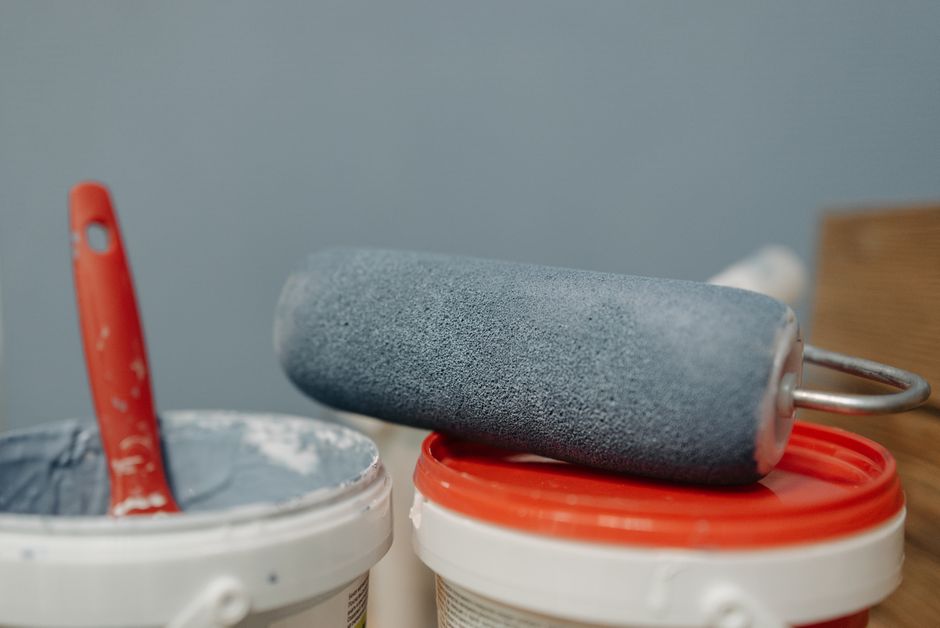
Sheen does one job on a wall: it controls how much light bounces off the surface instead of soaking in. In a house near the water, that bounce changes with the weather, and the figures kept at painting contractor carlsbad ca la cosa preziosa for interior painting in Carlsbad, CA show how much a color shifts between a foggy June morning and a bright October afternoon.
Two kinds of light
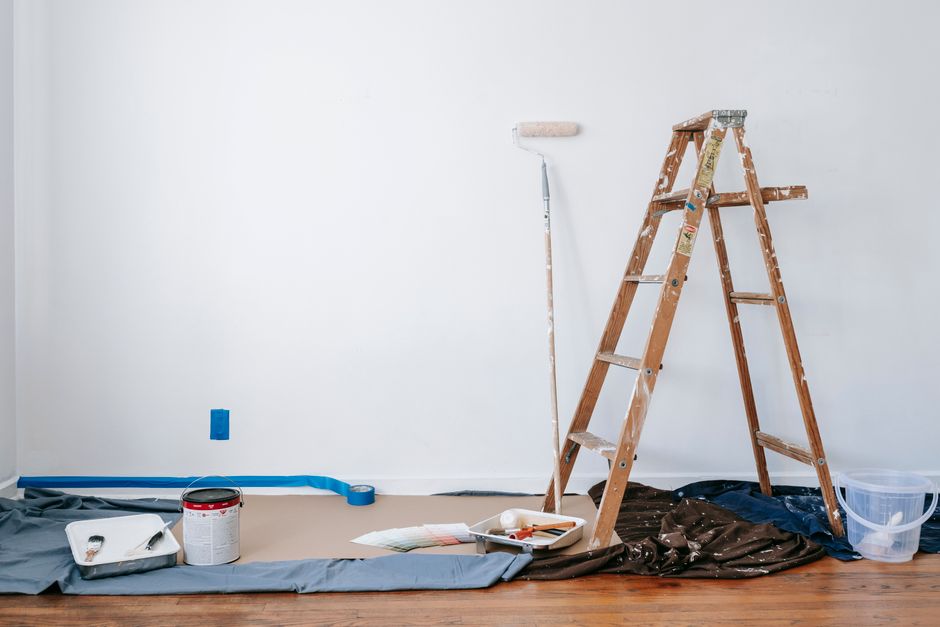
Carlsbad gets about 263 sunny days a year, but summer marine fog leaves the coast under a gray sky for weeks. Grey light is cool and flat, so warm colors look dull and pale blues turn steely. Direct sun is warm and strong, and it makes the same color look a shade brighter.
Sampling on the wall
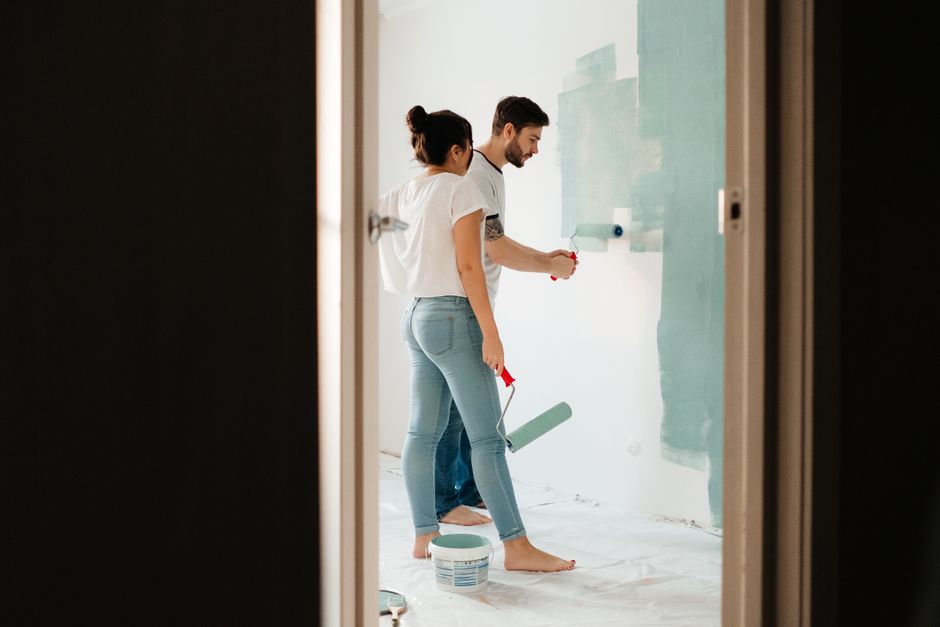
A small chip tells almost nothing. A two foot square of the actual paint, applied in two coats on the wall, should be watched for two or three days at morning, noon and dusk. A painter will usually put the sample next to the trim and the floor, because those neighbors change how it reads.
Picking the sheen
Flat hides wall flaws and suits ceilings and low traffic bedrooms, though it scuffs. Eggshell is the usual wall choice, with a soft glow and fair wipe clean. Satin holds up in hallways, kids rooms and kitchens. Semi gloss belongs on trim, doors and cabinets, where the hard surface takes scrubbing. Newer homes in Aviara and La Costa with big windows and long walls show roller marks in higher sheens, so eggshell or flat is safer.
South and west rooms
Rooms facing west pull strong afternoon sun, and a cool gray can turn beige by late afternoon. North rooms stay cooler all day, so a warm white balances them. Light colors with a bit of gray in them handle both kinds of light better than pure whites, which pick up every blue shift.
Coverage and prep
Deep colors need a tinted primer under them, and even then two coats of acrylic latex are the minimum for good coverage. The roller nap matters too: a three eighths inch nap works on smooth walls, while a heavier nap is needed on knockdown texture. Cut in with a brush first, and keep a wet edge so the lap marks do not show once the paint dries. Walls get a second look at night under lamps, because warm bulbs push the same color toward yellow and cool bulbs push it toward gray.